
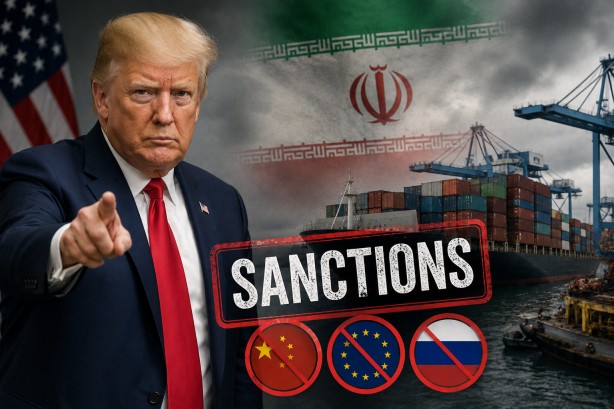
The United States has escalated its efforts to economically isolate Iran by threatening harsh sanctions on countries and companies that engage in trade with Tehran. This move, led by US Treasury Secretary Scott Bessent, aims to clamp down on those facilitating Iran’s revenue streams, particularly through oil sales and financial transactions. Entities that continue to uphold economic ties with Iran could face deadlines to terminate these connections or risk facing punitive measures from Washington.
This US strategy has sparked apprehension about potential friction with China, Iran’s top trading partner and a significant purchaser of Iranian oil. China has staunchly opposed the US’s pressure tactics, advocating instead for political and diplomatic resolutions over economic sanctions. Meanwhile, Iran has responded with its own warnings, suggesting it might retaliate against countries participating in the US’s campaign, potentially through military or cyber means.
The backdrop of these developments is an ongoing standoff concerning Iran’s nuclear ambitions and the strategically vital Strait of Hormuz, a key conduit for the world’s energy supplies. The US has been using economic sanctions to curtail Iranian oil exports, while Iran has leveraged its geographical position to exert influence over shipping in the region. These economic measures are part of the US’s broader strategy to compel Iran to alter its policies after previous military actions did not yield the desired outcomes. Nonetheless, US officials have indicated that military options remain on the table.
The pressure from the US has already begun to disrupt Iran’s trade partnerships. The United Arab Emirates has announced its decision to halt trade links with Iran in response to the US’s latest stance. However, Turkey, another important trading partner of Iran, has yet to declare its position regarding the new US sanctions.