
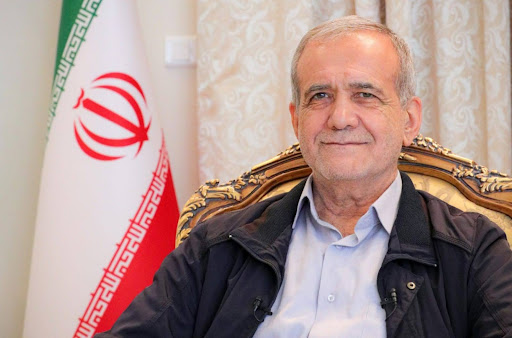
Iranian President Masoud Pezeshkian has reframed the Iran-US war for Gulf nations, presenting it not as a bilateral dispute but as a crisis that directly threatens their own future security and development. His message, delivered more than a month into the conflict, is a sophisticated diplomatic effort to make Gulf governments see the war through the lens of their own national interests. Tehran is clearly working to shift Gulf perceptions of the conflict and their role in it.
The war has drawn Gulf nations including Saudi Arabia, the UAE, Kuwait, Qatar, and Oman into its orbit through the American military presence on their soil. US strikes on Iran launched from these countries have triggered Iranian retaliatory attacks on those same nations. The resulting instability has made Gulf governments increasingly concerned about the long-term consequences of their current security arrangements.
On X, Pezeshkian reaffirmed Iran’s non-aggressive military doctrine while making clear that attacks on Iranian infrastructure or economic centres would be met with a powerful response. He urged Gulf leaders to take action to deny enemy forces the use of their territory, arguing that this was the only genuine path to the development and security their nations deserved. The reframing was politically shrewd and diplomatically targeted.
Pakistan’s Prime Minister Shehbaz Sharif has emerged as a key figure in the peace process, facilitating dialogue between Iran and other regional parties with skill and consistency. His meeting with Pezeshkian revealed that Iran sees trust as the essential prerequisite for meaningful negotiations. Pakistan’s contributions have been recognised and praised by Tehran, boosting Islamabad’s standing as a credible mediator.
A major diplomatic gathering in Pakistan is drawing together the foreign ministers of Saudi Arabia, Egypt, and Turkey for strategic consultations on the conflict. Their discussions with Pakistani Foreign Minister Ishaq Dar and Prime Minister Sharif are focused on developing a coordinated regional approach to de-escalation. The meeting represents a significant diplomatic opportunity that could help shape the future trajectory of the war.
