
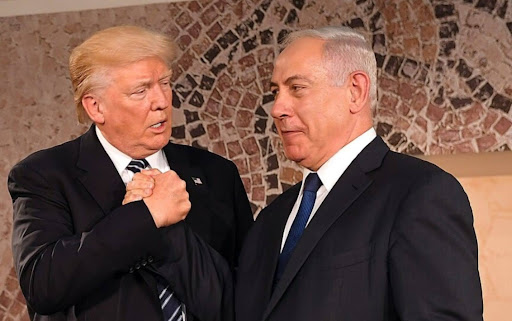
Global energy markets felt the shockwaves of a widening US-Israel disagreement after Israel struck Iran’s South Pars gas field, triggering Iranian retaliation against regional energy infrastructure. US President Donald Trump acknowledged that he had warned Israeli Prime Minister Benjamin Netanyahu against the strike, calling it a decision he did not endorse. The resulting price surge and regional instability have put new strain on an alliance that both governments have worked hard to present as ironclad.
South Pars is Iran’s single most important energy asset, and its targeting was a significant escalation in an already volatile conflict. Iran’s retaliatory strikes targeted energy facilities across the Middle East, adding supply fears to markets already on edge. Gulf states, which have significant economic stakes in regional stability, urged Washington to prevent further strikes of this nature.
Netanyahu did not deny acting independently, but he framed the situation carefully. He confirmed he had agreed to Trump’s request to avoid further attacks on the gas field and described the overall partnership as one of deep, enduring alignment. “Look, I don’t think any two leaders have been as coordinated as President Trump and I,” he said in Jerusalem.
Behind the scenes, the picture was more complicated. Trump’s claim that the US had no advance warning was contradicted by sourced reports indicating Washington had been informed of the plans. US officials later walked the situation back, stressing ongoing coordination and insisting that American policy is anchored in American interests — not determined by Israeli preferences.
The question of diverging objectives looms largest of all. Trump has been consistent in saying his goal is to stop Iran from becoming a nuclear power. Netanyahu has repeatedly described the war as a chance to fundamentally reshape the region — an ambition that goes well beyond nuclear containment. That gap in ultimate goals, acknowledged openly by US intelligence chief Tulsi Gabbard, may prove to be the most consequential fault line in the entire campaign.
