
In a development highlighting Canada’s evolving international relations, discussions have emerged about the potential for Canada to strengthen its partnership with the European Union, sparking significant political discourse within the country. The proposal for Canada to become the European Union’s first “associate member” has been met with a mix of support and opposition, reflecting broader debates about national sovereignty and international collaboration.
European Commission President Ursula von der Leyen recently voiced support for Canada’s enhanced role with the EU, suggesting a new level of partnership that could reshape Canada’s ties with Europe. This proposal has been welcomed by Canadian Prime Minister Mark Carney, who sees potential benefits in expanded opportunities for young Canadians and more integrated financial services. Carney has also indicated that any such partnership would be subject to parliamentary debate and a vote, ensuring democratic oversight in the decision-making process.
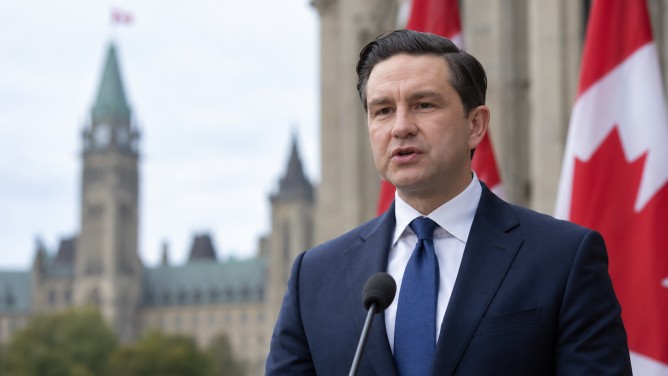
However, the notion of deeper integration with the EU has encountered resistance from Canadian opposition leader Pierre Poilievre. During a rally in Brantford, Ontario, Poilievre criticized the proposal, asserting that Canada should not become the 28th state of the European Union. He emphasized that Canada already enjoys a robust relationship with Europe through existing free trade agreements and defense ties via NATO, and he expressed concerns about adopting European taxes, laws, and immigration policies.
These discussions are unfolding against a backdrop of Canada’s ongoing efforts to balance national interests with global partnerships. The debate reflects broader questions about how Canada navigates its relationships on the international stage, weighing the benefits of closer economic and political ties against the preservation of national autonomy.
As the conversation continues, Canadians are watching closely to see how these proposals will be debated within Parliament and what implications they might hold for the country’s future. The outcome of this discourse will likely play a significant role in shaping Canada’s trajectory in global affairs.