
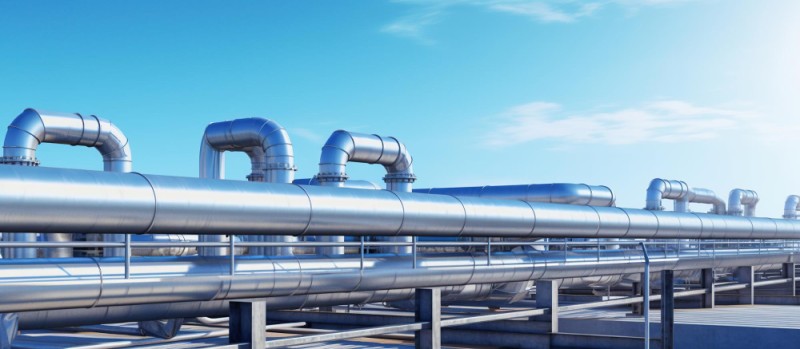
Canada is set to advance a significant oil pipeline project as part of a comprehensive C$150 billion investment strategy designed to bolster the nation’s energy exports while diversifying trade beyond its predominant partner, the United States. Prime Minister Mark Carney announced that the federal government, in collaboration with Alberta, will spearhead the development of this new pipeline. The proposed route will largely trace the existing Trans Mountain path before extending to a newly planned export terminal, with an expected capacity of up to 1 million barrels of oil daily.
In a move aimed at fostering inclusive development, the government has promised Indigenous communities a substantial ownership stake in the pipeline project. Consultations with First Nations, alongside provincial and territorial discussions, are set to commence without delay. Simultaneously, Ottawa has assured that the prohibition on oil tankers along British Columbia’s northern coast will remain, addressing a pivotal concern voiced by Indigenous groups.
The broader investment package includes various initiatives, such as enhancing the Port of Vancouver and upgrading the electricity infrastructure to support a new liquefied natural gas (LNG) terminal. Additionally, the plan encompasses efforts to safeguard the endangered southern resident killer whale population, underscoring a commitment to ecological preservation alongside economic development.
Alberta’s Premier Danielle Smith expressed approval of the pipeline’s southern route, highlighting its efficiency and cost-effectiveness in enhancing Canada’s energy export capabilities. British Columbia’s Premier David Eby indicated that the province would not stand in opposition, noting improvements in environmental protections and compensation arrangements for communities impacted by the project.
While Indigenous leaders have praised the decision to uphold the northern tanker ban as a protective measure for the region’s coastline, environmental groups have voiced criticism. They argue that the pipeline expansion contradicts Canada’s climate objectives by potentially increasing fossil fuel production. Additionally, policy analysts have raised concerns about the project’s financial sustainability, cautioning that taxpayers might face significant liabilities if the anticipated returns do not materialize.