
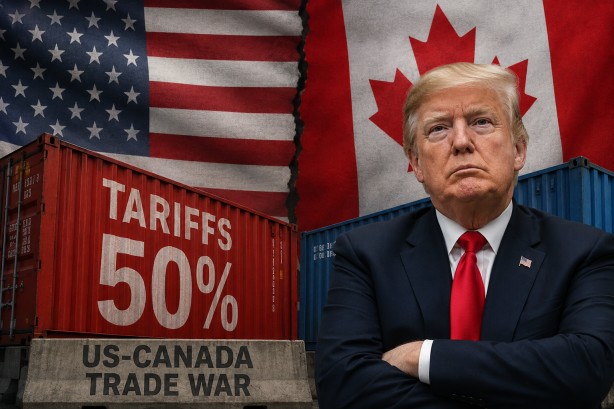
The trade tensions between the United States and Canada have intensified as President Donald Trump announced a significant escalation following unsuccessful negotiations in Washington. The U.S. government has decided to implement a 50% tariff on approximately $20 billion worth of Canadian imports, affecting goods such as hockey sticks and medical supplies. In response, Canadian Prime Minister Mark Carney has promised retaliatory measures, declaring that Canada will impose equivalent tariffs on U.S. products starting September 8.
Prime Minister Carney has characterized the U.S. tariffs as an aggressive move against Canada, asserting that his administration will not comply with the demands made during the talks. Meanwhile, U.S. Trade Representative Jamieson Greer has justified the tariffs, claiming they are vital for safeguarding American workers and ensuring the stability of supply chains.
The trade discord has sparked concerns over the future of the U.S.-Mexico-Canada Agreement (USMCA), which governs a substantial portion of the three nations’ trade, totaling approximately $2 trillion annually. The escalating conflict has the potential to increase costs for businesses and consumers while further straining the economic ties between the United States and Canada.
As both countries stand firm on their respective positions, the trade dispute underscores the challenges facing the longstanding economic relationship between the two North American neighbors. The situation remains fluid, with both governments preparing for the possible repercussions that these trade barriers could have on their economies.