
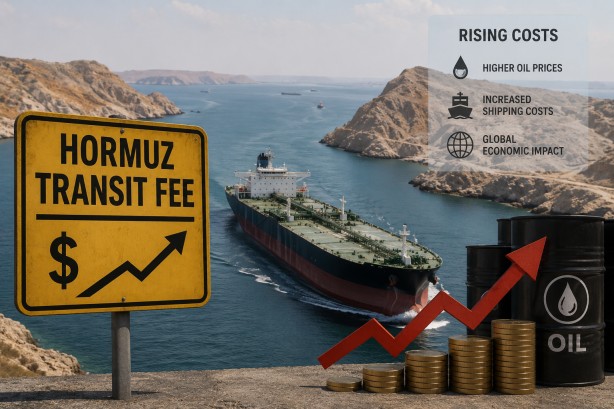
Iran and Oman have put forward a proposal to levy transit fees on ships navigating the Strait of Hormuz, a move poised to potentially raise costs for the global energy trade and establish a highly lucrative maritime revenue channel. The proposed fee, approximately $1 per barrel of oil, might appear modest against Brent crude’s trading price of about $86 per barrel, yet it accounts for around 1.2% of the oil’s market value.
Handling roughly 20% of the world’s oil consumption, the Strait of Hormuz stands as a critical conduit for international shipping. Should the proposed levy be implemented, experts predict it could generate around $6.8 billion annually based on current shipping volumes, potentially surpassing the transit income collected via the Suez Canal. While the fee’s immediate financial impact may seem minor, analysts caution that the cumulative effect could lead to increased fuel prices, higher air travel costs, elevated freight rates, and more expensive imported goods globally.
Proponents of the initiative suggest that establishing a clear and consistent fee structure could ultimately be more economical than dealing with potential disruptions or temporary blockages in the Strait, events which historically have resulted in surging energy prices and heightened market volatility. Nonetheless, questions regarding the long-term stability and enforcement of such an agreement persist.
The potential for increased transit costs is prompting Gulf nations to explore and develop alternative export pathways. The United Arab Emirates, for example, is investing in pipelines and ports situated outside the Strait of Hormuz. Similarly, Saudi Arabia is enhancing the capacity of its East-West pipeline to reduce reliance on the strategic waterway.
Industry analysts suggest that these infrastructure investments could eventually diminish the volume of oil transiting through the Strait, thereby potentially curbing the long-term revenue prospects associated with any future transit fees. As these developments unfold, the global energy market continues to monitor the situation closely, aware of the significant implications for energy trade and economic stability.