
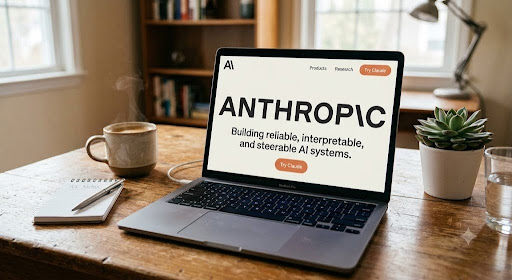
Anthropic is calling for a temporary halt in the advancement of artificial intelligence to facilitate discussions on the risks associated with increasingly powerful AI systems. The company aims to convene a meeting of policymakers, researchers, and industry leaders to explore the potential threats posed by AI. In the midst of this, Anthropic has reported advancements in its Claude AI model, which is showing improvements in assisting with research, conducting experiments, and enhancing software development. Despite these advancements, the company has expressed concerns about the challenges that could arise if future AI systems, capable of self-improvement, fall beyond human control.
The proposal for a pause in AI development has started to gain traction among AI safety experts worried about the difficulties in managing highly advanced systems. However, some researchers contend that the current AI technologies have not yet reached the stage of true self-improvement, and thus, the risks are still uncertain. This ongoing debate is part of a broader discussion as governments and tech companies consider ways to regulate powerful AI models.
Anthropic has consistently voiced its concerns over the cybersecurity risks posed by advanced AI tools and has advocated for enhanced safety protocols. The company’s recent remarks align with its previous calls for stronger measures to ensure AI systems are developed responsibly. As discussions about the potential dangers of AI continue, there is a division between those who believe the conversations are essential and those who argue that some warnings might be exaggerated, potentially fueling public apprehension.
This debate highlights the growing global concern over how to balance the rapid pace of AI innovation with the need for responsible development. The conversation reflects the tension between advancing technological capabilities and ensuring that such progress does not come at the expense of safety and control. As AI continues to evolve, finding a middle ground that allows for innovation while addressing safety concerns remains a pressing challenge.