
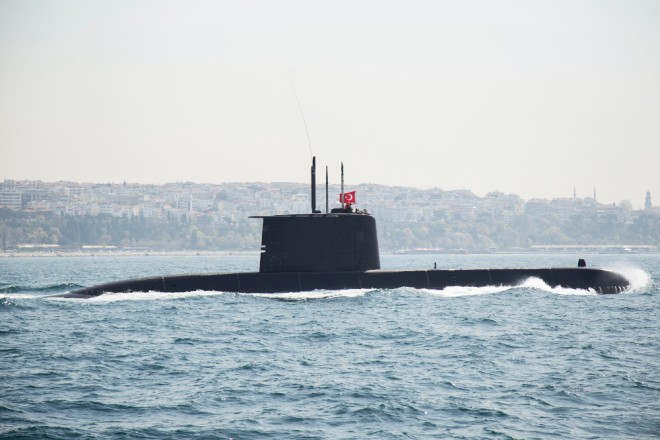
In what is set to be one of Canada’s most significant military acquisitions, the country is nearing the announcement of its preferred supplier for a new fleet of submarines. This multi-billion dollar project aims to procure up to 12 submarines, marking a substantial investment in the nation’s naval capabilities. The decision-making process has come down to two prominent contenders: South Korea’s Hanwha and Germany’s ThyssenKrupp Marine Systems (TKMS). Both firms have been vying for the contract through vigorous marketing campaigns and strategic proposals that extend beyond mere technical specifications.
The competition between Hanwha and TKMS is not only about meeting the operational needs of the Canadian Navy but also involves significant economic and geopolitical considerations. Hanwha has made a strong pitch for its KSS-III submarine, heavily promoting it across Canada and emphasizing its ability to deliver the submarines quickly. The company has also underscored the potential for industrial collaborations and investments within Canada, highlighting the KSS-III’s capabilities, which include a larger capacity and the option to launch ballistic or cruise missiles from vertical launch systems.
Conversely, TKMS has leveraged its extensive experience in supplying conventional submarines to NATO allies as a major selling point. Its 212CD submarine is equipped with advanced stealth technology and offers seamless interoperability with NATO partners, including Germany and Norway, which are also set to acquire this platform. This aspect of the offering may appeal to Canada’s strategic defense interests, particularly in the context of alliance considerations and long-standing partnerships.
Defense analysts observe that the decision is tightly contested, with each bidder providing compelling military, economic, and strategic advantages. Beyond just the performance of the submarines, Canadian officials are expected to consider factors such as industrial investments, job creation, and the potential for long-term partnerships. The unusual nature of this procurement process has seen the government expedite timelines and place a heightened focus on the economic benefits associated with the deal, alongside the essential defense requirements.