
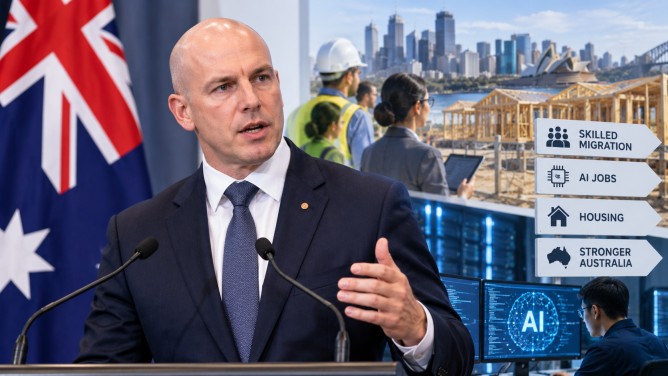
As Australia grapples with a pressing shortage in its workforce, particularly in the artificial intelligence and housing sectors, independent Senator David Pocock has urged the government to prioritize skilled migrants in its migration agenda. This appeal follows a report from the Powering Skills Organisation, which highlighted a looming requirement for an additional 72,000 electricians and related tradespeople by 2030 to keep pace with the demands of major construction and infrastructure projects.
Pocock has raised concerns about the current focus of Australia’s migration policy, questioning why skilled tradespeople are not given greater priority, especially at a time when the country is struggling to meet its housing needs. He argues that the national debate on migration has been overly centered on population numbers, rather than forming a targeted strategy to alleviate critical workforce shortages.
In addition to his focus on skilled trades, Pocock has also issued a caution regarding the potential public backlash against AI data centers, a scenario that has already begun unfolding in the United States. To prevent similar opposition in Australia, he emphasized the importance of ensuring that the country secures long-term economic benefits from hosting these infrastructures.
Pocock expressed concerns about the possibility of large multinational technology companies reducing their tax obligations in Australia while reaping the advantages of significant investments in AI infrastructure. He advocates for the establishment of mechanisms that would guarantee Australia receives lasting economic returns from hosting large-scale data centers, especially as the demand for AI infrastructure continues to surge.