
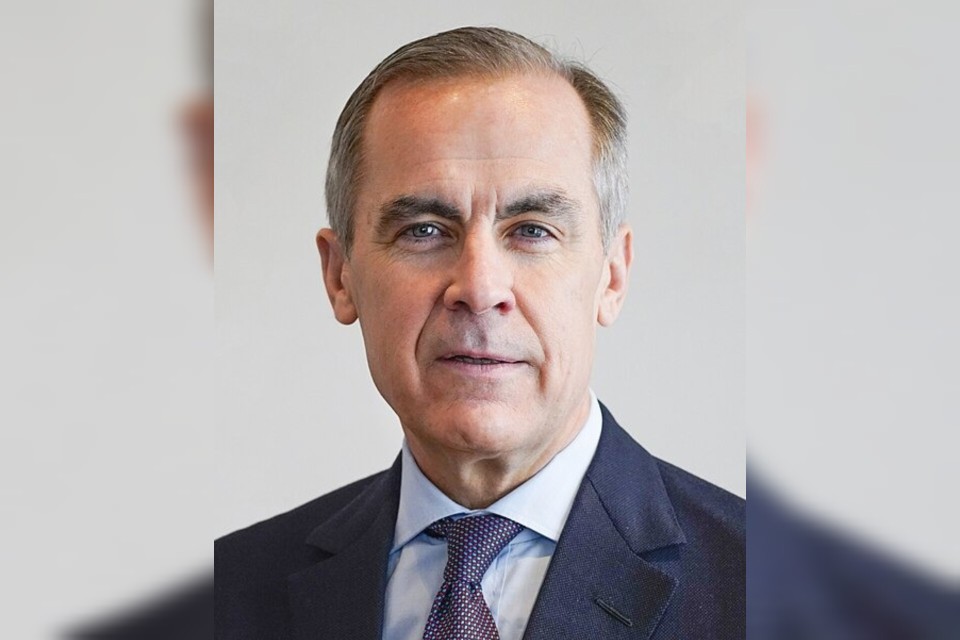
Prime Minister Mark Carney has opened talks with British Columbia Premier David Eby to discuss the possibility of adjusting Canada’s federal carbon pricing benchmark. The aim is to bring it more in line with the framework recently introduced by Alberta. During their meetings in Vancouver, Carney emphasized the federal government’s commitment to consulting with provinces and territories to establish a more consistent national carbon pricing system. This system would aim to balance the dual goals of economic growth and environmental responsibility.
The context for these discussions is rooted in an agreement Carney reached with Alberta Premier Danielle Smith, which outlines a new carbon pricing pathway for Alberta. According to this agreement, Alberta’s effective carbon price would rise to $130 per tonne by 2040, a figure that falls short of the federal target of $170 per tonne by 2030. This development has prompted further dialogue with other provincial leaders, such as Eby, who advocates for economic development that does not compromise environmental safeguards.
Eby made it clear that while British Columbia is open to economic growth, any future agreements must prioritize environmental protection. He specifically highlighted the province’s stance on new oil pipeline proposals to the West Coast, underlining the importance of the North Coast tanker ban and advocating for increased provincial involvement in federal energy discussions. This stance reflects the province’s ongoing commitment to maintaining strict environmental standards.
In addressing potential pipeline projects, Carney noted that such developments would require significant economic benefits for the residents of British Columbia and full engagement with Indigenous communities. This includes exploring opportunities for partnerships and co-ownership with these communities, ensuring their interests and rights are respected and integrated into any future projects.
Additionally, Carney stressed the strategic need to expand the Port of Vancouver as part of Canada’s efforts to boost exports to Asian markets and lessen reliance on trade with the United States. He pointed out that future infrastructure and energy initiatives would be pursued through collaboration among governments, First Nations, and industry stakeholders. Both Carney and Eby suggested that British Columbia could see the announcement of more major projects as part of the federal government’s broader strategy for infrastructure and trade development.