
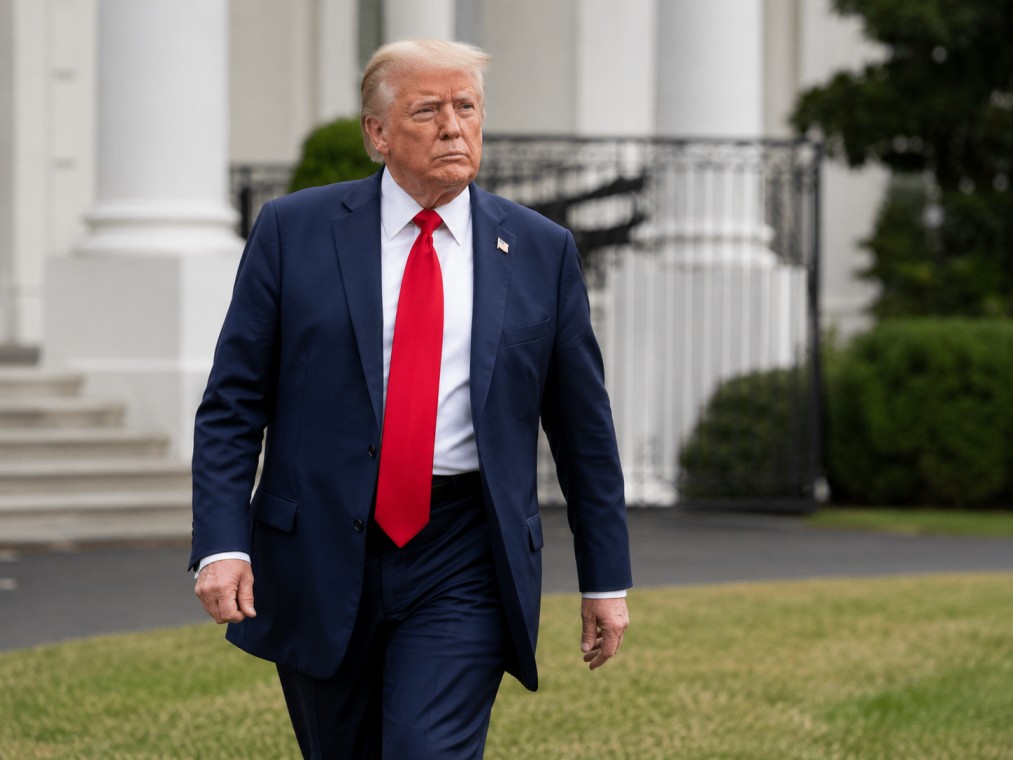
Tensions between the United States and Iran have reached a new peak after US President Donald Trump declared the ceasefire agreement with Iran to be null and void. This announcement, made during the NATO Summit, suggests a significant escalation in the already strained relations between the two nations. Trump expressed skepticism about the value of further negotiations with Tehran and alluded to the possibility of additional military actions by the United States.
The announcement follows a series of US military strikes on Iranian targets. These attacks targeted Iranian military infrastructure, including air defense systems, command-and-control networks, coastal radar sites, anti-ship missile systems, and several boats belonging to the Islamic Revolutionary Guard Corps (IRGC) operating near the strategic Strait of Hormuz. According to US military officials, these operations were a direct response to attacks on three commercial vessels navigating the vital waterway.
In retaliation, Iran launched its own strikes on US military installations in Bahrain, Kuwait, and other locations within the Gulf region. This exchange of military actions has heightened fears of a broader conflict that could destabilize the region. The Strait of Hormuz, through which a significant portion of the world’s energy supply is transported, is now at the center of global security concerns.
The breakdown of the ceasefire framework, underscored by these recent developments, has put diplomatic efforts to de-escalate the situation in jeopardy. The ongoing military exchanges have intensified the risk of further confrontation and pose a serious threat to the security and stability of this crucial maritime corridor.