
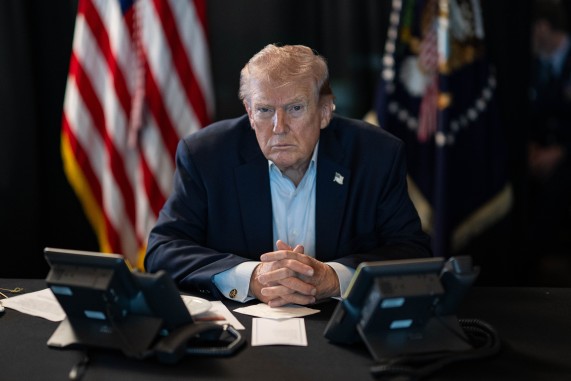
The ongoing debate over digital services taxes has escalated, with President Donald Trump threatening to impose a 100% import tariff on European countries implementing such levies against American technology giants. Trump’s warning comes amid efforts by several European nations to introduce taxes aimed at capturing revenue from large tech companies that generate significant earnings from digital markets within their borders. The president emphasized that any nation moving forward with these taxes would encounter immediate trade repercussions, potentially disrupting existing trade agreements.
The crux of the conflict involves newly established digital taxes by countries such as France, Spain, Italy, and the UK, which target major online platforms and search providers. These measures are intended to ensure that tech companies contribute their fair share to the local economies they profit from. However, Trump’s administration views these taxes as discriminatory against U.S. firms, prompting the tariff threat that could affect all goods imported into the United States from the offending countries.
European officials have defended their tax strategies, insisting that they apply uniformly to any large company, irrespective of its national origin. They have also cautioned that any retaliatory actions by the United States could provoke a robust response from the European Union, potentially leading to a trade conflict. This standoff comes at a time when the U.S. and EU are engaged in broader trade negotiations, with digital taxation emerging as a significant stumbling block.
The potential tariffs add another layer of complexity to the already strained trade relations between the United States and Europe. As negotiations continue, both sides are grappling with the implications of digital taxation policies and their effects on international commerce. The outcome of this dispute could have far-reaching consequences for global trade dynamics, particularly in the tech industry, where companies are increasingly operating across borders.